

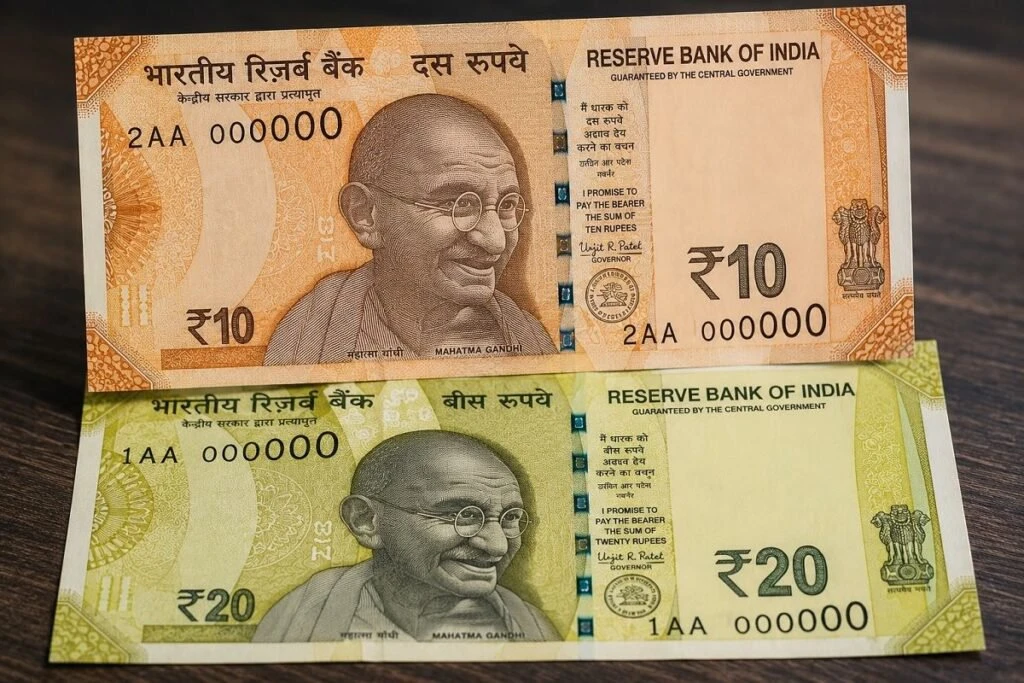
Government approves introduction of one billion polymer banknotes of Rs 10 and 20.

1. The scale of the trial
Volume: 1 billion pieces each of ₹10 and ₹20 = 2 billion polymer notes total for the pilot
Purpose: Field trials to test durability, security, and how they hold up in Indian weather, humidity, and circulation conditions
2. Why RBI wants polymer
According to RBI and Finance Ministry:
Lifespan: Polymer notes last 2-3x longer than paper notes. ₹10/₹20 notes get dirty, torn, and replaced very fast because everyone uses them
Security: Polymer substrate allows features like transparent windows, holograms, and embedded security threads that are harder to counterfeit
Cleanliness: Less absorbent, so they get dirty slower and are easier to clean
Cost: Higher upfront cost, but lower long-term cost since you print fewer replacements .
3. What happens next
Substrate procurement: BRBNMPL already floated a Global Expression of Interest on July 17 for manufacturers to supply opacified polymer substrate sheets with embedded security features
Field trials: Notes will be issued and monitored in real circulation
Decision point: If trials succeed, RBI will move to regular issuance. Governor Sanjay Malhotra hinted this could be from the start of next financial year .
4. Paper notes aren’t going away
Govt clarified multiple times:
"Polymer banknotes are proposed to be issued along with paper substrate-based banknotes and that there is no proposal to replace paper currency" 7cd3
So ATMs and banks will dispense both. Think of it like the ₹100 plastic notes Australia/UK use alongside paper.
5. History
India tested polymer ₹10 notes in 2012 in 5 cities as a pilot. That was small scale. This 2-billion note approval is much bigger.
6. Will this affect UPI/digital?
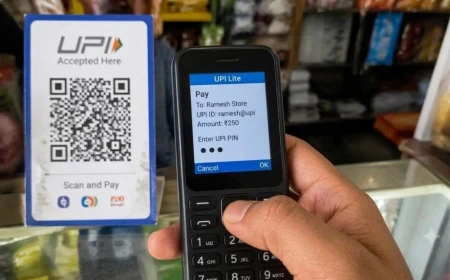
Govt says: still early stage. Impact can only be assessed after regular issuance. Both cash and digital will coexist. 7cd3
What's Your Reaction?
 Like
0
Like
0
 Dislike
0
Dislike
0
 Love
0
Love
0
 Funny
0
Funny
0
 Wow
0
Wow
0
 Sad
0
Sad
0
 Angry
0
Angry
0









Comments (0)